

A scientist in a white lab coat and blue gloves loads a rack of sample tubes into a laboratory analyser.

A special half-day Future of Health Conference session

Strengthening Domestic Active Pharmaceutical Ingredients Production for Priority Essential Medicines in Nigeria

Date
Friday, 30 October 2026
Time
9:00am–1:00pm
Location
Abuja, Nigeria
Format
In-person and virtual participation

Convened by Nigeria Health Watch and the World Bank Group

The case for local production

What goes into the medicines we take matters.

Nigeria manufactures finished medicines, but virtually all of the active pharmaceutical ingredients (APIs) used to make them are imported.

Dependence on imported pharmaceutical ingredients exposes manufacturers and the health system to factors beyond Nigeria's control, including foreign-exchange pressures, price volatility and global supply disruptions. These pressures can ultimately affect the availability and affordability of essential medicines.

Factors beyond Nigeria’s control

  • Foreign-exchange pressures
  • Price volatility
  • Global supply disruptions

Definition

APIactive pharmaceutical ingredient

An API is the ingredient in a medicine responsible for its intended therapeutic effect. While APIs may be only one part of a finished medicine, where and how they are produced can have implications for the security of the medicines supply chain.

So, what would it take for Nigeria to produce some of these critical ingredients locally?

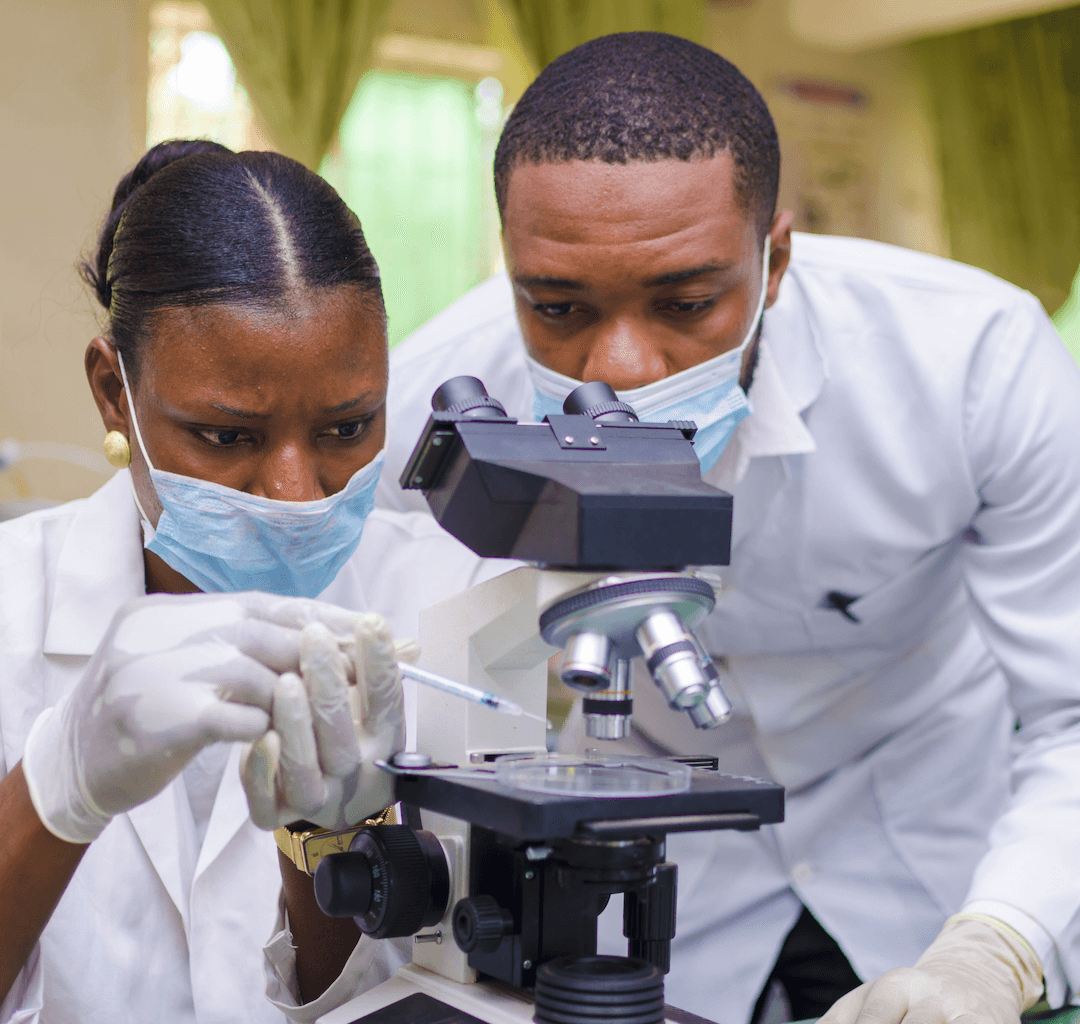
Two scientists in white lab coats and face masks work at a microscope, one using a pipette while the other looks on.

Policy to production

Moving from ambition to action

Nigeria has introduced measures to encourage local pharmaceutical production, including incentives covering APIs, pharmaceutical inputs, machinery and equipment. The challenge now is turning policy ambition into sustainable production.

In line with this year's Future of Health Conference theme, Nigeria Health Watch and the World Bank Group are convening this special half-day session to bring together key stakeholders and explore a practical path towards domestic API production.

The conversation will focus on three questions:

  1. Which one or two priority APIs could Nigeria realistically begin with?

  2. What is preventing their production locally?

  3. Who needs to do what next?

An enabling ecosystem

What will the conversation explore?

Domestic API production requires an enabling ecosystem. The discussion will explore five critical areas:

  1. 01

    Infrastructure

  2. 02

    Regulation and quality

  3. 03

    Technology and skills

  4. 04

    Finance and investment

  5. 05

    Reliable demand

A scientist in a lab coat and glasses works at a computer showing a DNA visualisation in a laboratory.

Across the ecosystem

Who needs to be part of the conversation?

Moving API production forward requires actors from across the ecosystem, including:

  • Policymakers and regulators
  • Pharmaceutical manufacturers
  • Investors and financiers
  • Development partners
  • Public health and pharmaceutical experts

Friday, 30 October 2026 · 9:00am–1:00pm

Be part of the conversation

Interested in participating? Register for the Future of Health Conference and indicate your interest in the Day 2 API workshop during registration.

When you register for a physical pass, the registration form asks whether you would like to attend this session. Answer Yes to indicate your interest.

Please note: In-person participation is limited and subject to confirmation. Virtual participation will also be available.

Convened by Nigeria Health Watch and the World Bank Group